
Global Policy Divergence: Europe and Canada Stand Firm as U.S. Eases Sanctions
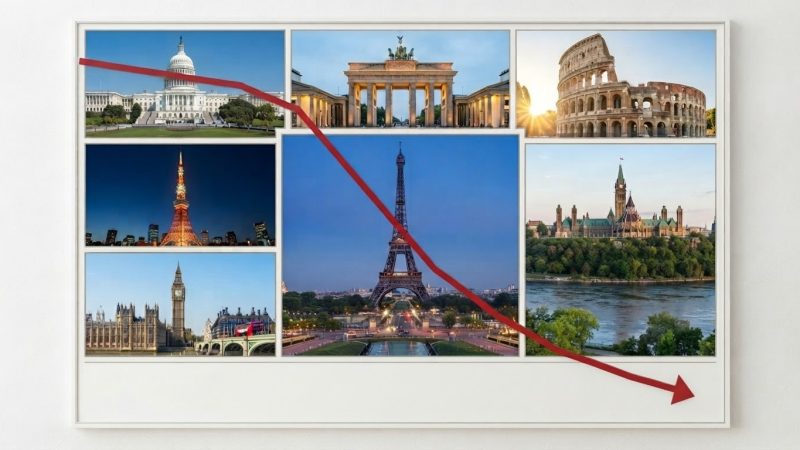
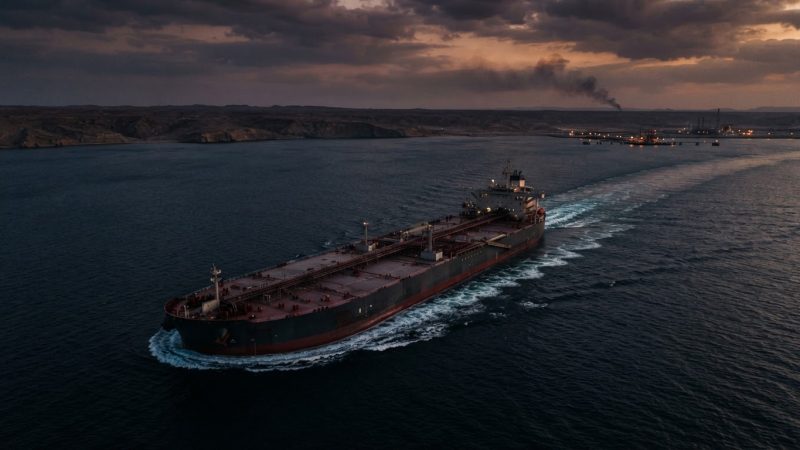
In a striking display of geopolitical autonomy, traditional Western allies have diverged sharply from Washington following a sudden U.S. policy shift on Russian energy sanctions.
The rift widened after the U.S. administration moved to ease restrictions on Russian diesel to lower domestic fuel prices ahead of upcoming midterm elections. However, rather than aligning with the policy pivot, European powers and North American partners doubled down on economic pressure against Moscow, signaling a new era of strategic self-reliance.
Berlin and Ottawa Reject Policy Shift
German government spokespersons confirmed that Berlin remains firmly committed to its existing sanctions framework against Russia, maintaining that domestic European policies will remain unaltered despite Washington’s recalibration.
Meanwhile, Canadian Prime Minister Mark Carney held direct discussions with Ukrainian leadership, sharply criticizing the U.S. diesel exemption. Ottawa warned that the relaxation of energy rules would provide vital secondary revenue streams to finance ongoing military operations in Ukraine. Canadian officials reiterated that national sanctions will not only remain in place but will be actively strengthened if necessary.
The EU Passes Record Sanctions Package
In direct response to the shifting landscape, the European Union finalized its largest single sanctions package in history, targeting nearly 1,600 entities and individuals.
Rather than focusing solely on high-profile oligarchs, the new measures zero in on mid-level industrial suppliers providing critical components for ballistic missiles, radar systems, and drone production. EU foreign policy leadership emphasized that maintaining economic pressure remains paramount to countering sustained security threats across the continent’s eastern flank.
Nordic Resilience and Payment Independence
The friction highlights years of systematic preparation by Nordic and Baltic states. Nations like Sweden and Denmark have dramatically increased defense spending, reinforced conscription numbers, and instituted civilian preparedness protocols.
Simultaneously, financial infrastructure resilience has taken center stage. Following central bank directives aimed at reducing single-point systemic vulnerabilities, Sweden has introduced offline payment redundancies—allowing citizens to complete essential transactions via bank cards during network disruptions—as part of broader efforts to insulate domestic infrastructure from external geopolitical pressures.
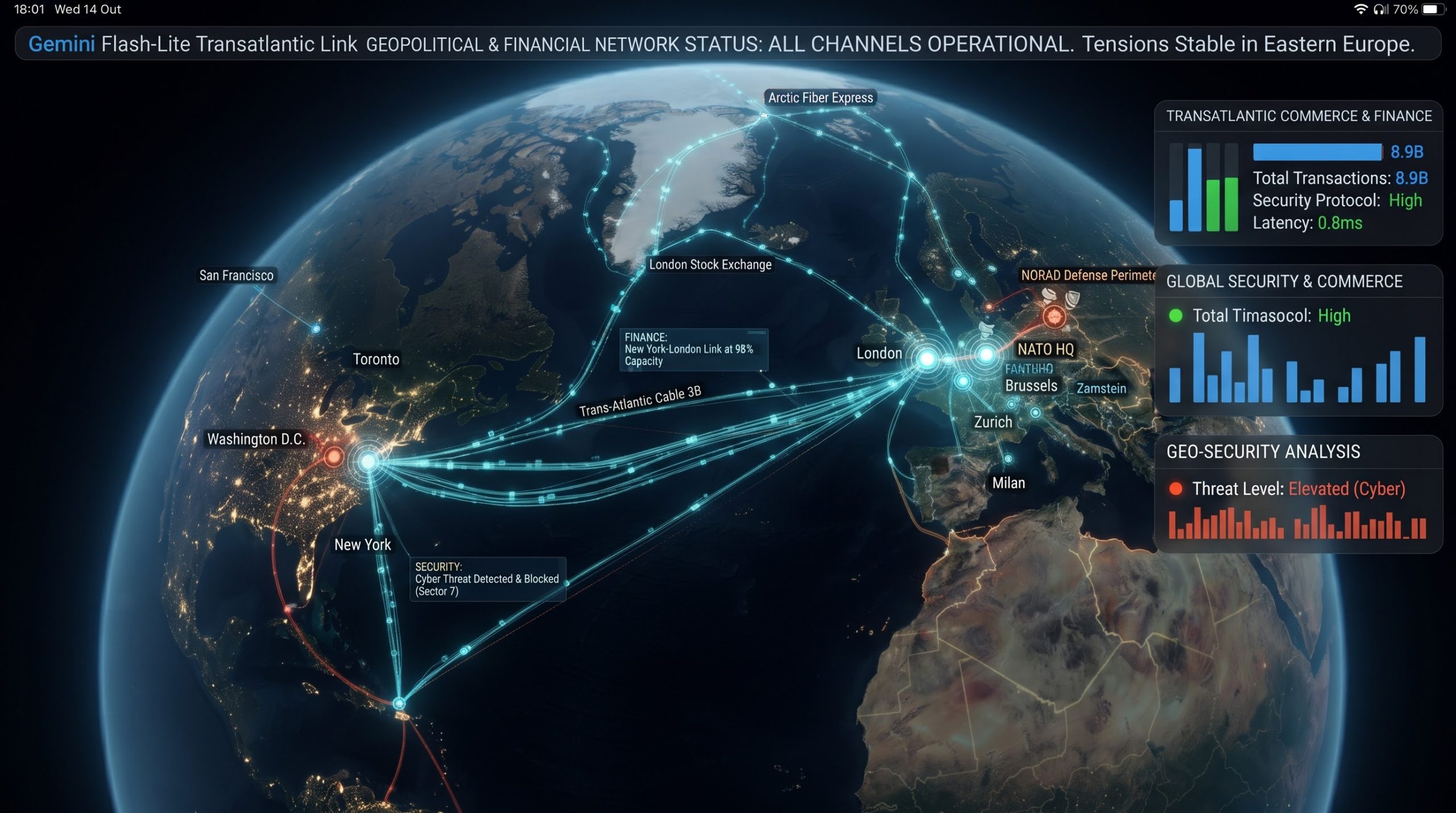
As transatlantic alliances navigate this new reality, experts note that while global capital continues to flow into U.S. financial instruments due to attractive yields, political and operational alignment between Washington and its traditional partners is undergoing its most significant test in decades.
For further analysis and detailed coverage on these developments, watch the House of El geopolitical analysis.