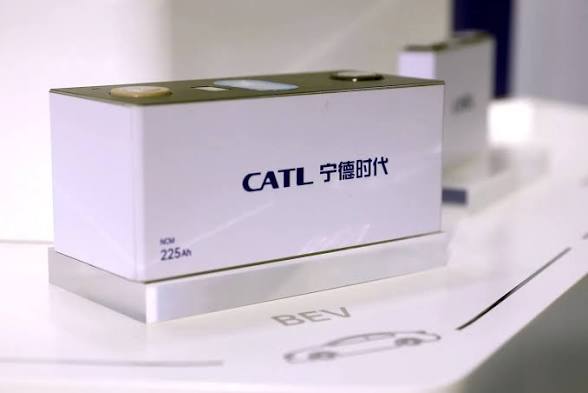

Laos Permanently Bans Petrol and Diesel Vehicle Imports in Strategic Shift to Hydropower
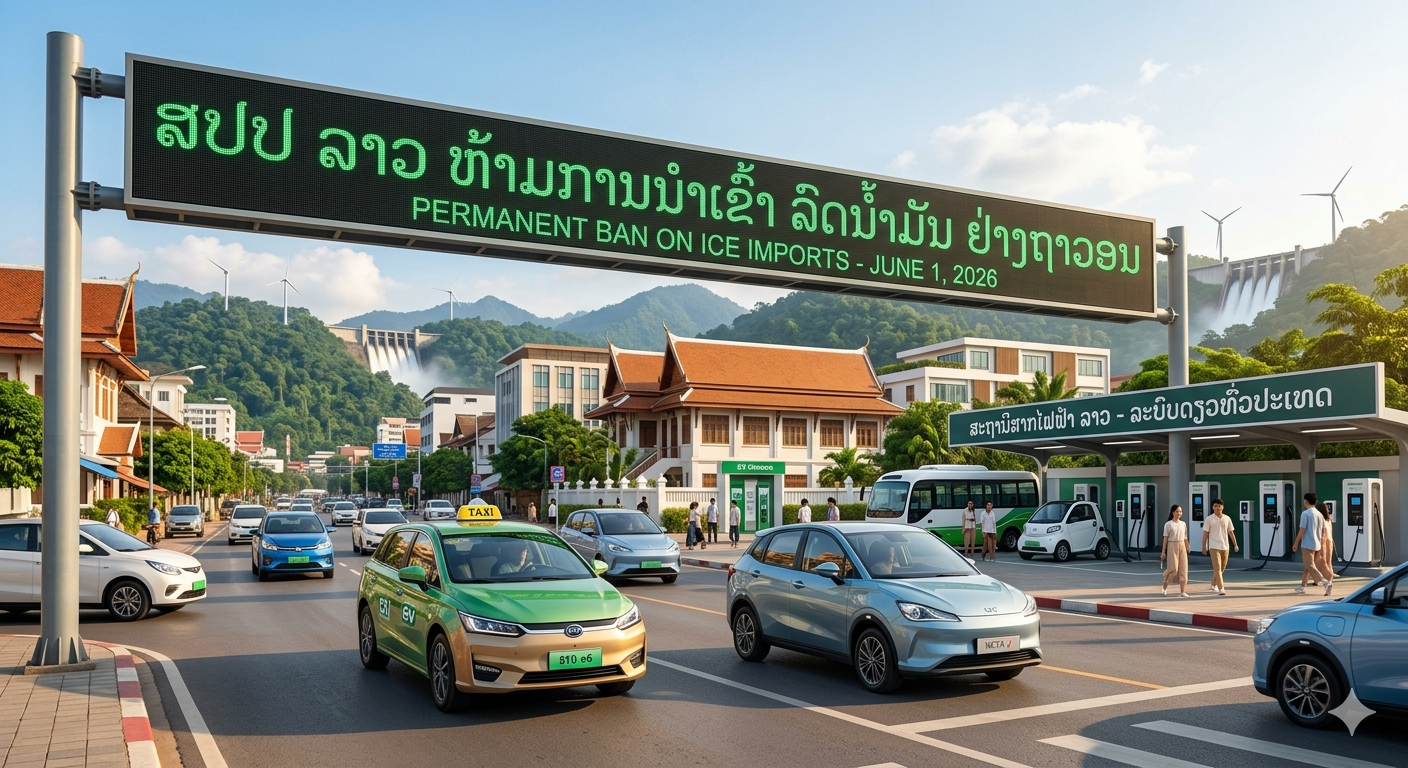
VIENTIANE — In a historic move that redraws the blueprint for developing economies navigating the global energy transition, the government of Laos has permanently banned the import of conventional petrol and diesel passenger vehicles. Effective June 1, 2026, the sweeping policy signals a hard-nosed, strategic calculation aimed at securing national sovereignty and eliminating a multi-billion-dollar economic vulnerability.
While environmental considerations are a welcome byproduct, the driving force behind the Prime Minister’s directive is pure economic survival.
Turning a National Vulnerability into Strength
Laos, often referred to as the battery of Southeast Asia, produces an immense surplus of clean electricity via its extensive network of domestic hydropower plants, much of which it exports to its neighbors. Yet, in a glaring economic paradox, the landlocked nation has historically relied on foreign nations for more than 97% of its petroleum products, importing the vast majority of its fuel from Thailand.
The danger of this lopsided dependency became painfully clear earlier this year. Following maritime disruptions near the Strait of Hormuz, Thailand briefly suspended its fuel exports. Within hours, panic buying emptied petrol stations across Vientiane. Though a temporary shipment eventually eased the immediate crisis, the shockwave forced the Lao government to confront a harsh reality: relying on foreign oil is an immediate threat to national security.
By slamming the door on internal combustion engine vehicles, Laos is executing a massive economic pivot—redirecting its transportation energy demand away from foreign oil fields and directly onto its own domestic, water-powered electrical grid.
The Policy Blueprint: Carrots, Sticks, and Price Controls
The transition is governed by a strict framework designed to reshape the automotive market almost overnight. While standard consumer petrol and diesel cars are barred, the government has maintained sensible exemptions for vital industries, allowing the continued import of public transit vehicles, heavy construction machinery, and specialized professional vehicles.
To ensure the public can smoothly transition to electric mobility, the government is rolling out aggressive financial incentives alongside strict market regulations:
Aggressive Tax Breaks: Fully electric vehicles priced under $50,000—which experts estimate will cover roughly 95% of the consumer market—are completely exempt from import taxes.
The 30% Fee Swap: The government has slashed registration and service fees for EVs by 30%, while simultaneously raising those exact same fees on existing fuel-powered cars by 30%.
Anti-Gouging Protections: To prevent dealerships from exploiting surging demand, the state is enforcing a standardized pricing framework. This system dictates fixed caps on factory costs, transport fees, taxes, and approved dealer profit margins. Companies caught manipulating prices face severe fines.
Mandated Fleet Targets: Government agencies are now barred from purchasing fuel-burning cars unless deemed absolutely critical. Meanwhile, private transport and logistics companies have been ordered to ensure that EVs make up at least 10% of their active fleets by the end of this year.
World-First Infrastructure and the Rise of Chinese Tech
A major hurdle for EV adoption globally has been infrastructure fragmentation, with drivers forced to download dozens of competing apps to charge their cars. Laos is skipping this teething phase entirely. In a world-first move, the government signed a pact with 27 public and private partners to launch a single, centralized digital platform to manage all EV charging and battery-swapping stations across the country.
This drastic market shift leaves legacy automotive giants who have lagged in EV development—such as market-dominant Toyota—vulnerable to losing the region entirely.
Instead, the vacuum is already being filled by Chinese EV powerhouses like BYD, GAC, and Neta. The alignment is natural: Chinese capital heavily financed the very hydropower dams that generate Laos’s electricity. Moving forward, the nation’s transport system will be defined by Chinese electric cars running on Lao water, driving toward a national target of a 30% electric vehicle fleet by 2030.
A Lesson for the West
While wealthier nations engage in prolonged political debates and quietly walk back their climate timelines, Laos has demonstrated that small, developing economies can move with breathtaking speed when energy independence is on the line.
Laos follows Ethiopia, which implemented a similar internal combustion engine ban in 2024, proving a nascent global trend: the electric vehicle is no longer just a luxury symbol for environmental virtue, but a powerful geopolitical tool for national self-reliance.