
The Oil Apocalypse — or the Great Energy Pivot?
Headlines focus obsessively on high petrol prices and forecourt queues, but beneath the surface lies a far more structural macroeconomic catastrophe. What the global economy faces today is not a standard supply squeeze, but three interlocking crises occurring simultaneously: upstream Persian Gulf chokeholds, an unprecedented global maritime transport freeze, and a severe refinery breakdown that has tripled the price of diesel.
1. Upstream Collapse: The Choking of Middle Eastern Crude
The global oil economy runs on approximately 100 million barrels of crude oil per day with virtually zero spare capacity. In normal conditions, around 20 million barrels per day—a fifth of the entire planet’s crude—pass through the narrow Strait of Hormuz.
When the Strait was blockaded, the market initially survived through emergency re-routing: Saudi Arabia’s 750-mile East-West Pipeline (5.5 million bpd), the UAE bypass pipeline (1.5 million bpd), and risky ship-to-ship coastal shuttle operations off the coast of Oman. However, that fragile equilibrium disintegrated rapidly:
- Bab al-Mandab Chokepoint: Houthi advances along Yemen’s western coast severed access through the southern gateway of the Red Sea, cutting off direct maritime access between the Red Sea and Asian consumers.
- Pipeline Infrastructure Targeted: Drone strikes targeting pumping stations along the Saudi East-West pipeline brought flows through the Kingdom’s critical land route to an abrupt halt.
- Supply Shortfall Widens: Net Middle Eastern outflow dropped from 20 million bpd to barely 8 million bpd. Compounding this, China pivoted from curbing imports to aggressive stockpiling at steep premiums, widening the net global daily deficit to approximately 7 million barrels.
2. Maritime Bottleneck: The Return to 18th-Century Spice Routes
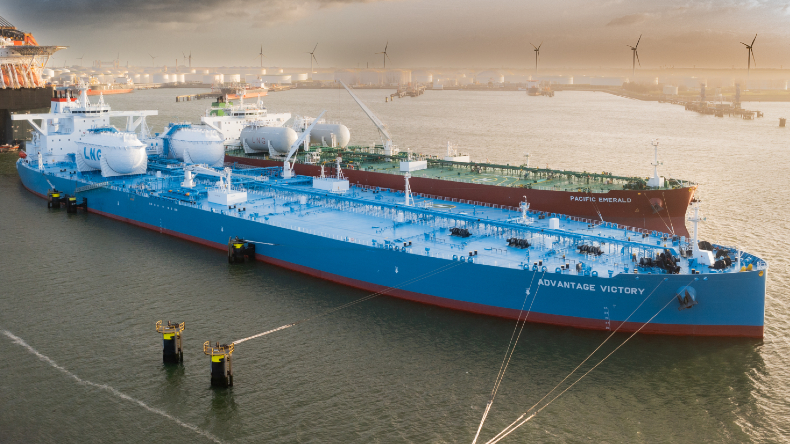
Crude oil trapped behind blocked straits does not merely sit in storage—it paralyzes the global shipping fleet. Historically, transporting a barrel of crude oil across oceans cost around $3 per barrel. Today, that cost has breached $26 per barrel.
With both Hormuz and the southern Red Sea shut down, crude exiting the Mediterranean or Suez Canal destined for Asia must sail the long way around: down the entire western coast of Africa, past the Cape of Good Hope, and back across the Indian Ocean.
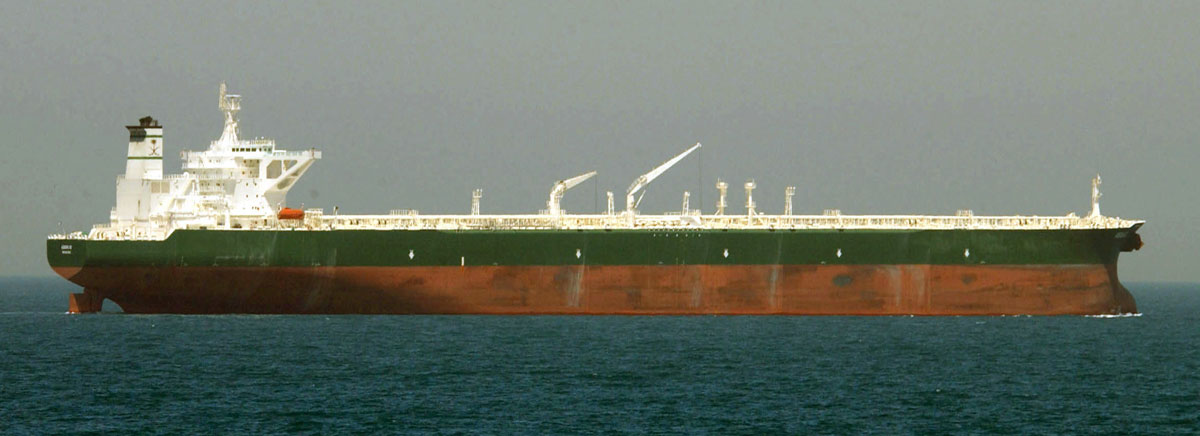
This detour increases transit times from 19 days to 48 days. Because ships spend more than twice as long at sea to complete a single delivery, the effective capacity of the world’s tanker fleet is slashed as if two out of every three tankers vanished. Daily charter rates for Very Large Crude Carriers (VLCCs) have skyrocketed past $1.2 million per day, doubling the baseline inflationary pressure on raw fuel inputs.
3. The Downstream Bottleneck: A Refining Crisis and Exploding Crack Spreads
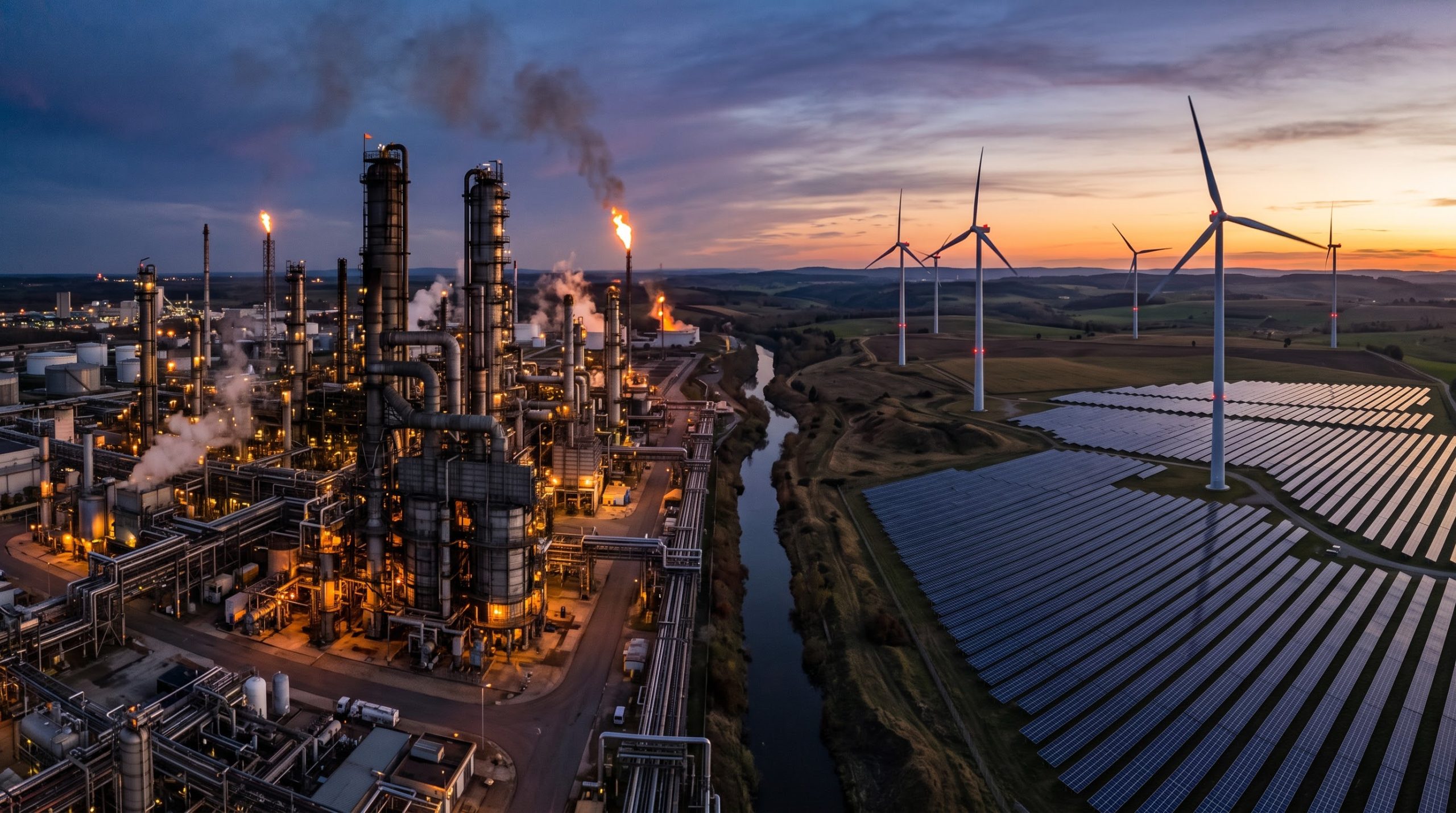
Raw crude out of the ground cannot run an engine. It must be processed through complex distillation columns and catalytic crackers into commercial fuels: gasoline, jet fuel, and—most crucially—diesel and middle distillates.

While the crude oil supply was tightening, the refining sector took repeated direct hits:
- Russian Refineries Damaged: Extensive drone strikes disabled nearly 28 major Russian refining hubs, stripping roughly 1 million bpd of diesel export capacity off the market.
- Gulf Processing Hits: Cross-border infrastructure strikes in the Persian Gulf took out an estimated 1.5 million bpd in regional distillation and finishing capacity.
- Chinese Export Curtailment: Beijing tightened export quotas by roughly 500,000 bpd to safeguard domestic industrial inventories.
The Math Behind the “Crack Spread” Explosion
The measure of refinery profitability and processing strain is the crack spread—the margin between raw crude and the refined wholesale price of fuel. In balanced economic conditions, diesel crack spreads hover around $20 per barrel. At that rate, $65 crude translates into roughly $85 wholesale diesel.
Under current conditions, with crude touching $100 per barrel, the diesel crack spread has blown out past $110 per barrel. That means wholesale diesel is trading near $210 per barrel—a staggering 250% increase that vastly outstrips the headline rise in crude oil.
4. Why Diesel Sits at the Heart of Global Stagflation
Unlike personal motor gasoline, diesel consumption is deeply price-inelastic. If petrol becomes expensive, commuters can carpool, cycle, or take rail. Diesel, however, powers the engines of physical production and global supply chains.

Where the Real Impact Hits Consumer Markets:
- Road Freight & Logistics: Heavy goods haulage accounts for half of all global diesel demand. When fuel budgets triple, freight shipping rates surge, driving up the retail cost of building materials, timber, steel, and manufactured imports.
- Food & Agriculture: Combine harvesters, tractors, drying stations, and farm irrigation pumps run almost exclusively on off-road diesel. Transportation accounts for approximately 10% of final retail grocery bills; compounded by farm-level energy overheads, baseline food price inflation could accelerate past 20%.
- Commercial Aviation: Jet fuel is refined from the same middle distillate fractions as diesel. With aviation fuel bills climbing by upwards of 40%, airlines face margin compression, ticket hikes, and route cancellations.

The Policy Illusion: Why Export Bans Won’t Fix It
Political calls to halt diesel exports or impose domestic price freezes fail to address the global nature of commodity trade. Refined products move across a single interconnected pricing pool; attempting to isolate domestic markets restricts international liquidity, driving global crack spreads higher and rebounding back onto domestic importers through secondary manufactured goods and maritime freight.
This is not a temporary blip at the filling station—it is a full-spectrum compounding supply chain crisis. Until maritime safety in critical sea lanes is restored and refining capacity catches up to demand, the diesel crunch will continue to dictate the real cost of living across the globe.